
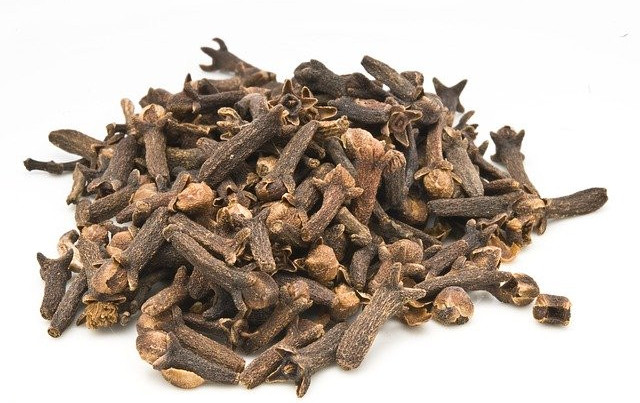
What is Clove Spice – One of the most Common Spice?
We all know and love cloves; the spice is evocative of the classic holiday baking specialties, but also fun spice blends like the Chinese Five-Spice blend and the Pumpkin Spice blend. Cloves are one of the most common spices on the planet, yet we know little of it.
Today we’re covering all about the aromatic bliss we call clove, what is clove spice, where it comes from, and how you can add it to your pantry.
Did you know the name clove comes from the French term, clou? It means nail. This and much more clove knowledge is on your way, so read on and learn something new. Can you smell the aromatic spice already?
What are Cloves?
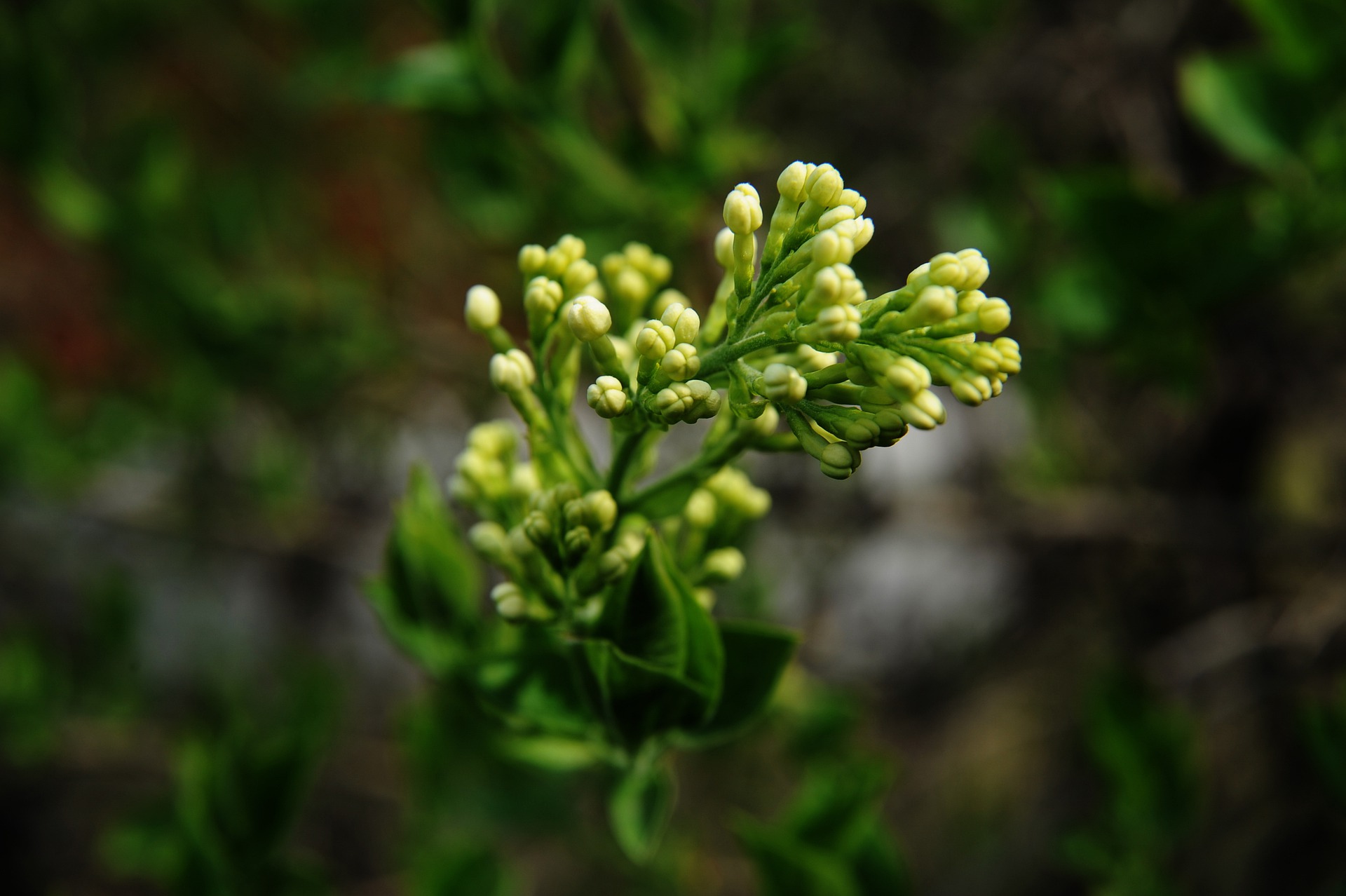
Cloves are flowers, yes. They’re not seeds like most spices, but authentic dried flowers from the clove tree or Syzygium aromaticum.
The aromatic flowers were quite popular in China around the year 300 BC and reached the Roman Empire in the first century AD. The distinguished Roman naturalist Pliny the Elder praised the spice not only for its culinary uses but for the spice’s health benefits.
Cloves are native from Indonesia, from the Maluku Islands, to be precise. Actually, Indonesia produces 80% of all the cloves in the market, followed by Madagascar, Tanzania, India, and Sri Lanka.
Today, cloves are widely used in Africa, Asia, the Mediterranean Basin, the Middle East, and America. Cloves have taken over the world and for great many reasons.
The Science Behind Cloves
Cloves are intensely aromatic, a single trait that has made the spice a prized commodity worldwide. Behind that smell, there’s a compound called Eugenol.
Clove oil is around 80% Eugenol, so it’s safe to say we can attribute all the flavors and health benefits in cloves to this single molecule. Interestingly, Eugenol is also found in nutmeg, cinnamon, basil, and bay leaf. It’s used as an antiseptic and anesthetic, and in the perfume and food industries too.
Now that we have briefly visited the science corner, let’s explore the health benefits behind cloves and the powerful Eugenol.
Nutritional Values in Cloves

One teaspoon of ground cloves, its most common form for cooking, adds only six calories to your diet, mostly coming from one gram of carbohydrates. Clove is an adequate source for fiber, too, with 1 gram of dietary fiber for every two teaspoons.
As for vitamins and minerals, cloves add an impressive 55% of your necessary daily intake for manganese, partially responsible for aiding metabolism, helping regulate blood sugar, and assisting against inflammation.
Last but not least, cloves add an adequate amount of vitamin K to your diet, necessary for blood health, and for regulating calcium levels in the bloodstream.
Health Benefits of Cloves
- Cloves are excellent sources for antioxidants, vital compounds that bind with free radicals caused by oxidative stress, damaging cells at a DNA level, provoking many maladies including cancer. Did you know Eugenol is the main anti-oxidative compound in cloves?
- High amounts of concentrated clove oil have proven to prevent cancer cell growth, and it could kill tumors. There’s still a need for research since high concentrations of the oil could prove toxic.
- Cloves can kill bacteria, which is the reason chewing on cloves is a millennial practice to preserve proper oral health. Now modern health companies are looking into the compounds in cloves for hygiene products.
- Cloves can help against liver inflammation and improve liver functions. There’s evidence piling up for compounds in cloves to treat chronic kidney disease, and the future looks bright for the still unproven treatments.
- Consuming cloves often can improve blood sugar levels, increasing insulin sensitivity, and thus reducing the risk of diabetes.
- Cloves can protect the stomach from ulcers by increasing the production of protecting mucus that lines the stomach. Not very many studies have been conducted on humans, but there are plenty of positive responses in the matter.
Cooking With Cloves
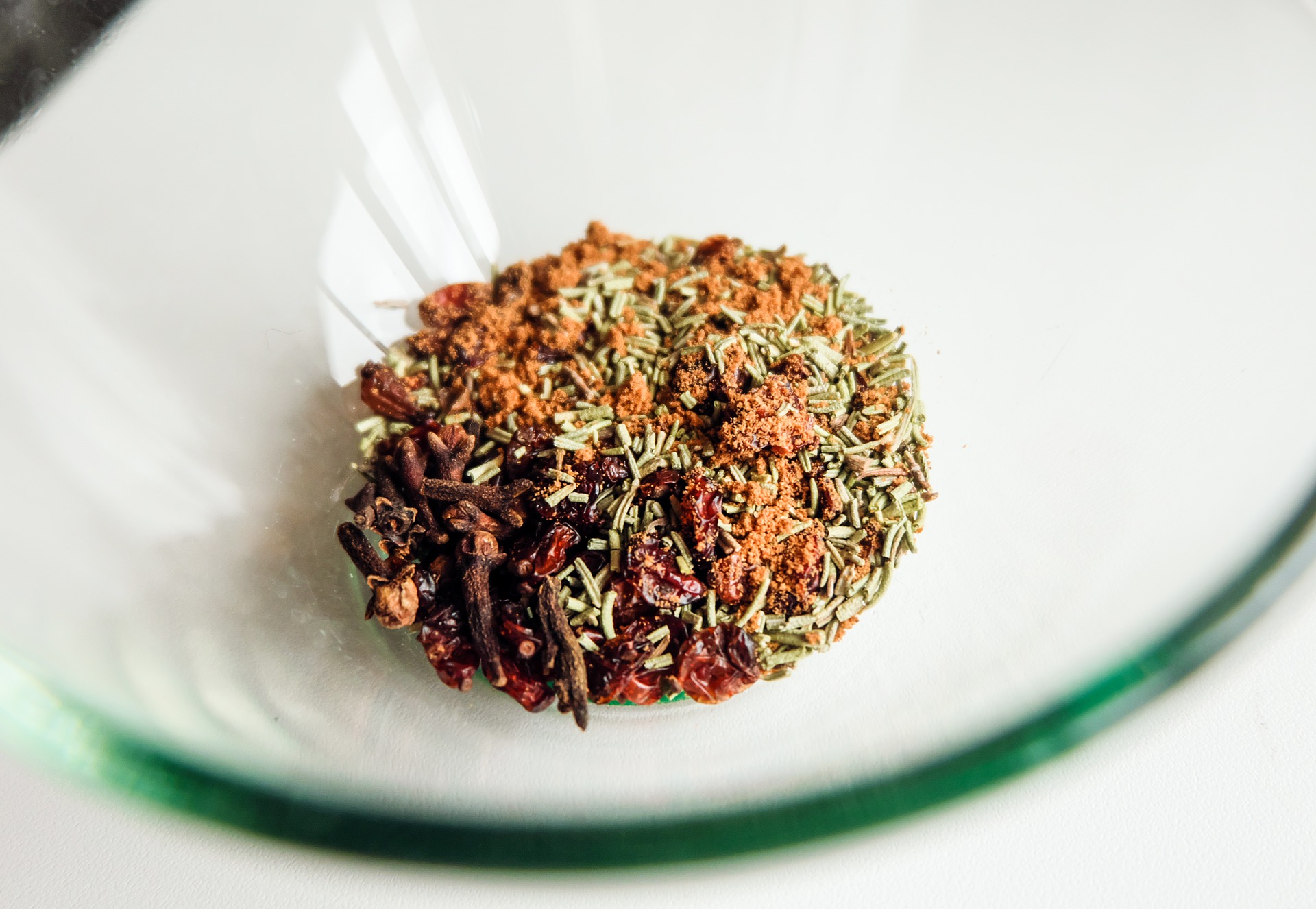
There are tons of uses for cloves in the kitchen. In the savory department, cloves can flavor soups, stews, and slow-cooked meat. The spice flavors fish sauces and rice in India, including biryani. And we could consider it one of the secret ingredients behind the famous garam masala spice blend.
The dessert, sweet drink, and baking departments fairly use cloves too. There would be no eggnog without cloves, or the amusing pumpkin spice. Gingerbread cookies and many holiday baking treats are livened with cloves. Is there anything these dried flowers can’t do?
Cloves, a Tasty and Healthy Spice
Whole or ground, in sweet or savory food, in the medicine cabinet or the kitchen pantry. Cloves are more than they appear, and that makes them extra special.
Cook with cloves regularly and fill your home with the warmest of aromas; you’ll feel sounder as well!
Feel free to shop for Cloves from out list of tried and tested cloved at curated shop.
Highly Rated – Social Media Chatter on Clove

Cloves have been used for centuries in traditional wellness practices, not just on their own, but in powerful combinations that support the body in different ways.
• Cloves + Orange Peel: Supports vitamin C intake and immune defense
• Cloves + Turmeric: Helps fight inflammation and joint discomfort
• Cloves + Cinnamon: Supports blood sugar balance
• Cloves + Honey: Soothes the throat and supports cough relief
• Cloves + Milk: Supports immunity and relaxation before sleep
• Cloves + Cardamom: Freshens breath and supports digestion
Nature often works best in synergy. Small, intentional combinations can support everyday wellness when used responsibly and consistently.
Like, share, and follow for more natural health education, preventive wellness, and evidence informed herbal knowledge.
healthrevolutionsglobal_
unitedhealthmovement_
unitedhealthnetwork_
#NaturalHealth #HerbalWellness #Cloves
Make sure you follow naturethecure to learn how can help you heal yourself ❤
-
Like | Comment | Save | Share
Turn on post notifications📢
-
Follow our new page getrelieffast for daily relief tips 🙏
-
Credit: unknown
Please Dm for credit or removal
-
#losangeles #downtownla #downtownlosangeles #losangeles_city #losangeles_la #bacteria #cloves #mucus #immunesystem
That one spice you can’t do without?
For me it’s definitely Jeera!!!
It is the 1st thing I add to the oil and lends a warmth to the flavours to begin with!
#spice #spices #chilli #chillipowder #imli #salt #coriander #corianderpowder #cinnamon #turmeric #cuminseeds #cloves #asafoetida #caromseeds #fenugreek #blackpepper #bayleaf #fennel #garammasala #pankajbhadouria
Sources:
- https://www.medicalnewstoday.com/articles/320768#1
- https://www.mccormickscienceinstitute.com/resources/culinary-spices/herbs-spices/cloves
- https://www.britannica.com/plant/clove
- https://www.thespruceeats.com/what-are-cloves-995621
- https://www.healthline.com/nutrition/benefits-of-cloves
- https://en.wikipedia.org/wiki/Clove
- http://justfunfacts.com/interesting-facts-about-clove/
- https://www.ctcin.com/clove.php#:~:text=Nearly 80% of the clove,followed by Madagascar and Tanzania.&text=Indonesia is the largest producer,Zanzibar, India and Sri Lanka.




A friend I have cooks with cloves and I have been really baffled with the type of nutrients that comes from his type otnspuvr and I feel it would be good to try it on my own foods too. I like the fact that there is so much to this as well. It is good but I want to know if it would not change the taste of my food.
Thanks Suz
Very interesting to see here. Honestly, I value all you have shared here and the fact that it can make the whole difference here. To be honest, if I can, I will try all my best to ensure that I can make use of this clove spice henceforth. It tactually makes a lot of sense using this considering the potentials of this to our health. Thanks for sharing here
Thank you much, Nath