
What is Galangal Spice – Is it a Root or a Leaf
What is Galangal Spice, What is Galangal Root, and How to Use It?
If you ever wondered what makes those Vietnamese soups and Thai curries so enticingly delicious? Chances are that extra oomph comes from galangal. The Southeast Asian gnarly rhizome is the secret ingredient behind the fragrance and earthy spiciness that elevates soups, curries and stews from good to great.
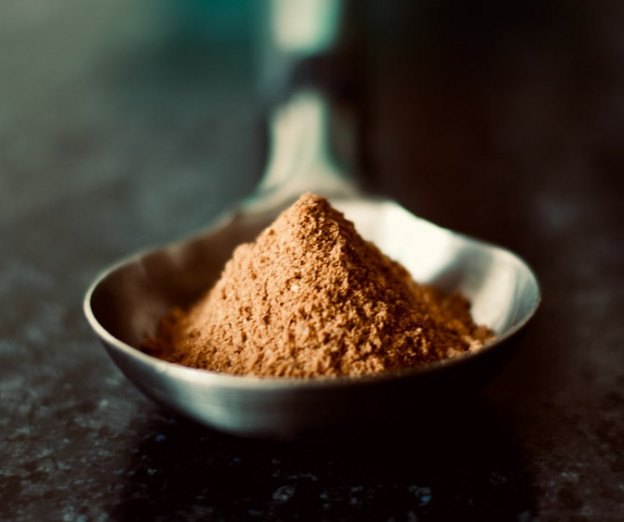
Powdered galangal is the root’s most convenient form, and probably the most widely available. The fresh roots, although harder to find, have a unique aroma hard to match.
Sappy, light-footed and aromatic, galangal might be a lesser-known spice in the West, but just of a pinch of the spice or a slice of the root can change your food’s profile entirely, for good.
Did you know? The fragrant galangal powder was used in the Middle Ages in Europe for protection against evil spirits? Actually, the root has lots of health benefits and has been exploited by Indian and Chinese medicines for centuries. European early medicine used galangal in their treatments, too, because as you’ll soon find out, galangal can do it all.
What is Galangal?
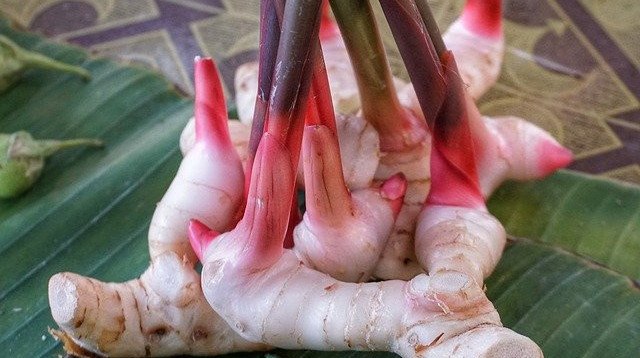
Galangal is a rhizome closely related to ginger. Both are members of the Zingiberaceae family of tropical plants along with turmeric. Actually, the roots look very similar. Galangal’s peels are lighter and smoother than those of ginger, and the root itself is more intensely fragrant, but similarities are uncanny. It’s not a surprise that galangal is also called Siamese ginger.
There are four main species of galangal: greater galangal, lesser galangal, sand ginger and the Chinese ginger. The lesser galangal (alpinia officinarum) is typical for medicinal uses, and the greater galangal (alpinia galanga) plays a leading role in the kitchen.
Growers harvest galangal in late summer, and despite the root being the most prized part of the plant, the leaves, flowers and stems are enjoyed as vegetables in Southeast Asia.
Galangal might look a lot like ginger, but its aromas are unique. Expect citrus aromas, earthiness and scents reminiscent of pine nuts, more aromatic but milder and less astringent than ginger.
There are many uses for galangal root and its powdered version, the galangal spice. They’re widely used in Thai, Indonesian and Vietnamese kitchens, but have diverse applications in traditional medicine too.
Galangal Health Benefits
If you’re wondering, what is galangal spice? a Southeast Asian cook will tell you it’s the soul of thier food. If you ask a medicine man, what is galangal root? he’ll answer it’s a cure for all maladies.
Galangal is an excellent source of antioxidants, which can prevent and reduce the risk of oxidative stress, which causes premature aging and body tissue degeneration.
Galangin, a bio active compound in galangal, is effective against certain cancers, although research is still needed to add the compound to conventional medical treatments.
Like other ginger family members, including turmeric, the rhizome can reduce inflammation, easing joint pain and hypertension.
Galangal oil, a highly concentrated substance, has antimicrobial properties and can fight several bacteria, viruses and harmful fungi.
Both scientific studies and traditional medicine support the idea that galangal might improve fertility in men, increasing sperm count and sexual drive.
Nutritionally, galangal is a superb source of dietary fiber with up to 2 grams or 7% of your daily intake, and it has elevated amounts of vitamin C.
Polyphenols in galangal, powerful antioxidants can also reduce blood sugar and low-density cholesterol levels.
Healing men have used the Galangal root in both Ayurvedic and traditional Chinese medicine. As modern studies reveal more health benefits, we’ll soon be seeing it on the shelves more often.
Nutritional Values in Galangal
Nutritionally, galangal is a superb source of dietary fiber with up to 2 grams or 7% of your daily intake, it also has elevated amounts of vitamin C. The rhizome is an excellent source for potassium, calcium and iron, and adds little to no calories to your diet.
How to Cook with Galangal
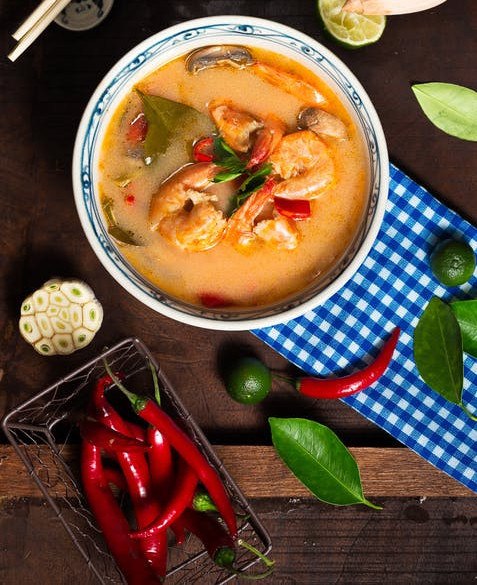
There would be no Thai curry without galangal. It’s a key aromatic element in the country’s colorful curries and soups. Malaysian and Indonesian beef and coconut milk stews rely on the root to give them their unique flavor.
Both fresh and powdered, galangal is ubiquitous from China to Indonesia. Generally, galangal is used around the world to flavor everything from Russian liqueur to ice cream. Galangal tea is delicious and healthy, and perhaps the easiest way to add it to your diet.
If you want to buy galangal, you’ll find fresh galangal root in Asian specialty stores when in season. In powdered form, galangal is more common and can be found in most supermarkets, specialty stores and online herb and spice stores.
Galangal is on the Rise
With a wide array of health benefits, galangal is being incorporated to nutritional supplements and enriched protein powders.
As a condiment, we haven’t seen galangal rise to stardom, at least globally. As with ginger, which is now widely used in both Eastern and Western cuisines, galangal will have its moment, and it will be a delicious one.
Dried Galangal Sliced – Check it out
Organix Ground Root Powder – Check it out
Highly Rated – Social Media Chatter on Galangal

My favorite thing about galangal is how it’s pretty much built to ruin you knife. Joking of course (but also not). Making some galangal bug using my ginger beer method for fermented Thai sodas. If you haven’t seen my homemade fermented ginger beer video yet, I just tossed the link up on my profile.
Tom Kha Gai-Best Coconut Soup Ever!
This is one of those recipes that just blows your socks off flavor wise! This recipe is as authentic as possible while still being plant based. The ingredients can be a little tricky to find, but I encourage you to head to your nearest asian markets and find them! They're so important for flavor development in this recipe, which you guys know I am all about! Here Goes... 2 cans coconut milk
10 cilantro roots (only the roots here are necessary)
6-7 lemongrass stalks (be sure to pound lemongrass until fragrant)
3 shallots-chopped
3-4 thai birds eye chili
3 tbs galangal (if you cannot find, use ginger)
12 kaffir lime leaves
3 tbs coconut palm sugar
4 cloves garlic
3 tbs lime juice
3 tbs Coconut Aminos (Tamari also works here)
1/2 cup white mushroom
Bring the coconut milk, cilantro root, lemongrass, shallot, birds eye chili, galangal(ginger), kaffir lime leaf, garlic, and coconut palm sugar to a simmer for 15-20 minutes with lid on. Don't let come to a boil.
Strain mixture and mix in lime juice, Coconut Aminos, mushrooms, and water.
Taste for overall balance in flavor. Adjust seasoning to your taste. You can serve this with jasmine rice and avocado to make it a meal! I garnish with cilantro leaf, mint, red pepper, and bean sprouts. That's the fun part! Add whatever you want to this broth! It's so amazing! It may seem daunting, but I promise you won't be sorry with the outcome!
#tomkha #thailand #soup #galangal #lemongrass #cilantro #kaffirlime #ginger #cocont #vegan #plantbased #glutenfree #thaibirdchili #chef #happy #warming #medicinalfood #creative #blessed #recipe #asian #shallot #garlic #stew #conscious
Here are the dried herbs from the Swedish Bitters I just bottled after steeping for a month: Angelica root, aloe, clubmoss, carline thistle root, veronica herb, rhubarb root, marshmallow root, gentian root, calamus root, mistletoe, myrrh, black walnut hulls, ginkgo biloba, senna leaf, cinquefoil, valerian root, wormwood herb, zedoary root, galangal root, cinnamon bark, safflower, natural camphor and hawthorn from marybethbonfiglio — as tincture in brandy.
.
So-called because a couple Swedish doctors revived the ancient medieval recipe which is recommended for upset stomach, to aid digestion, clean the liver, and even can be used topically on sores, scrapes, cuts, or to soothe toothaches or to flavor cocktails -- but I like to put a dropperful in bubbly or flat water with lime or lemon.
.
These will be offered as part of the Magical Radical Rx Medicine Box sent every solstice + equinox to folks who pledge at the $50 Holon or $100 Holobiont levels (check out patreon.com/rachaelrice for details). If you would like a bottle, send me a message. $15 includes domestic shipping.
Sources:
- foodrepublic.com/2014/01/22/what-is-galangal-and-how-do-i-use-it/
- en.wikipedia.org/wiki/Galangal#Uses
- healthline.com/nutrition/galangal-root
- thekitchn.com/whats-the-difference-between-galangal-and-ginger-236291
- fgcu.edu/cas/communityimpact/foodforest/files/Galangal-ADA.pdf
- healthbenefitstimes.com/galangal/
- softschools.com/facts/plants/galangal_facts/1664/
- healthyhildegard.com/what-is-galangal/




Hello there! this is an amazing review you have got here. I am sure the quality information in this post will be beneficial to anyone who come across it. I will recommend this spices as it helped my friend relieve discomfort caused due to inflammation of the abdomen and ulcers.
Thanks for sharing this with me.
Great to hear, Joy. Thanks
Wow. I loved this article. I had never heard of Galangal and I think I’m pretty knowledgeable about supplements and spices. I love the health benefits you mentioned. I do use turmeric as a supplement so I understand the concepts you mentioned. I definitely want to add this to my spice rack and try out some recipes. Thanks so much for the article and your site.
It is always a very good thing to learn a new thing and since I am a very avid lover of cooking, learning a new spice or anything about cooking at all is really good for me. I’m happy to be able to learn about galangal spice and what the health benefits are too. I’m definitely going to be using this very soon in my cooking too. Thank you for this eye opener.
Wow! Galangal is an amazing food and looks similar to ginseng with great health benefits! This is the first time i have heard of this food. Being married to a philippino and eaten many types of soups I will have to tell her about this.
I have a website that talks about vitamins and foods that have good health benefits for us to live a longer and healthy life, I’m always interested in new vitamin sources very interesting website.
Thank you for the information provided in this article. Galangal Spice is a not one I have heard of before and may be the missing link in some of my recipes. The spice does look like Ginger root. Finding out that there are both medicines and cooking benefits from this spice, it sounds like we need to become more aware of its use. Would you use Ganangal Spice as you would Ginger in your recipes?
Is it more nutritional in the root form? Or is powdered alright?
I would’nt use it similar to ginger as there is a difference in flavour